You have 0 items in your cart

Applications
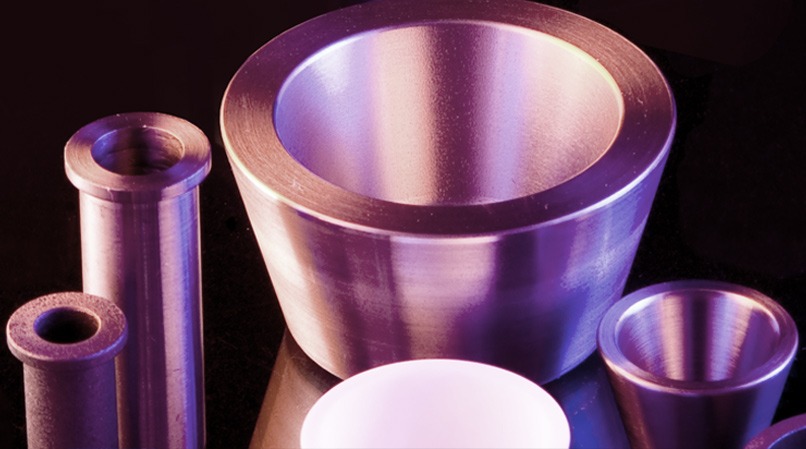
For physical vapor deposition and other high-temperature applications, crucibles require thermal energy for material processing to occur. One method for achieving these temperatures is by using resistive heating. This method uses heating sources designed for compatibility with specific crucible sizes.
Design and Customizability
Basket heaters are tungsten filaments that wrap around a crucible. This type of source provides low-cost, low-power, and high flexibility if needed for specialized solutions.
Shielded crucible heaters include layers of shielding to increase thermal efficiency. These heavy-duty sources can maintain high temperatures while minimizing radiant heat to vacuum components in the system.
The Evaporator
1. Scientists develop technology to grow semiconductor single crystals at temperatures exceeding 2,200°C
2. Technical Tip – Cool Lip Crucibles
3. Advancing semiconductor thermoelectrics via thickness doping
(Image: Scientific Reports 2025)
| Tohoku University |
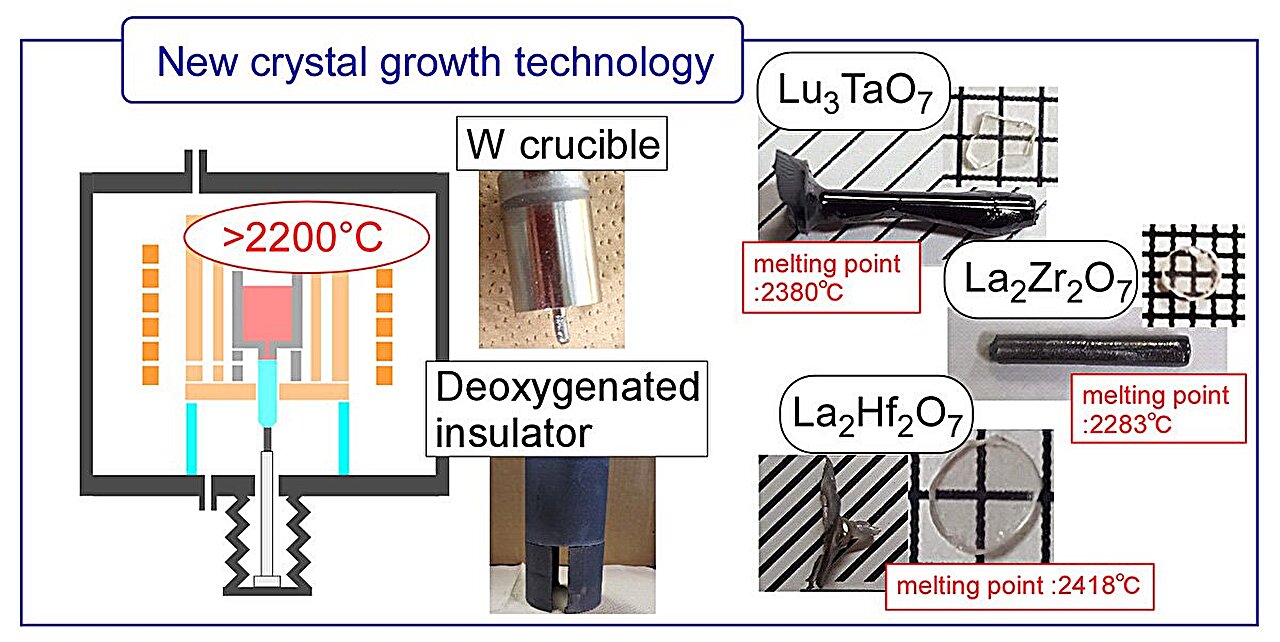
The single crystals currently used in semiconductors, electronic devices, and optical devices can’t take the heat. This is because the materials typically used to make them—such as iridium and platinum—have a melting point below 2,200°C.
Associate Professor Yuui Yokota and Professor Akira Yoshikawa (Institute for Materials Research, Tohoku University) have developed a new crystal growth technology using a tungsten (W) crucible that can be used at temperatures over 2,200°C.
For material processing, containment is critical to maintain yield and smooth procedure. At high temperatures, molten material runs the risk of damaging vacuum system components if mismanaged.
Certain materials can be hard to contain if they exhibit creeping properties, notably including aluminum. This causes liquid metal to climb up crucible walls and spill, causing electrical shorts and corrosion when used with resistive crucible heaters.
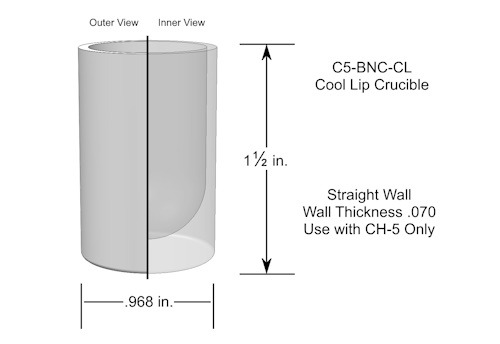
Cool lip crucible designs prevent these issues from occurring with wetting materials. Part numbers C5-BNC-CL and C9-BNC-CL are made from boron nitride composite and compatible with shielded crucible heaters for maximum thermal efficiency.
(Image: Science Advances 2025)
| Dr. Yi Zhou and Professor Jiaqing He |
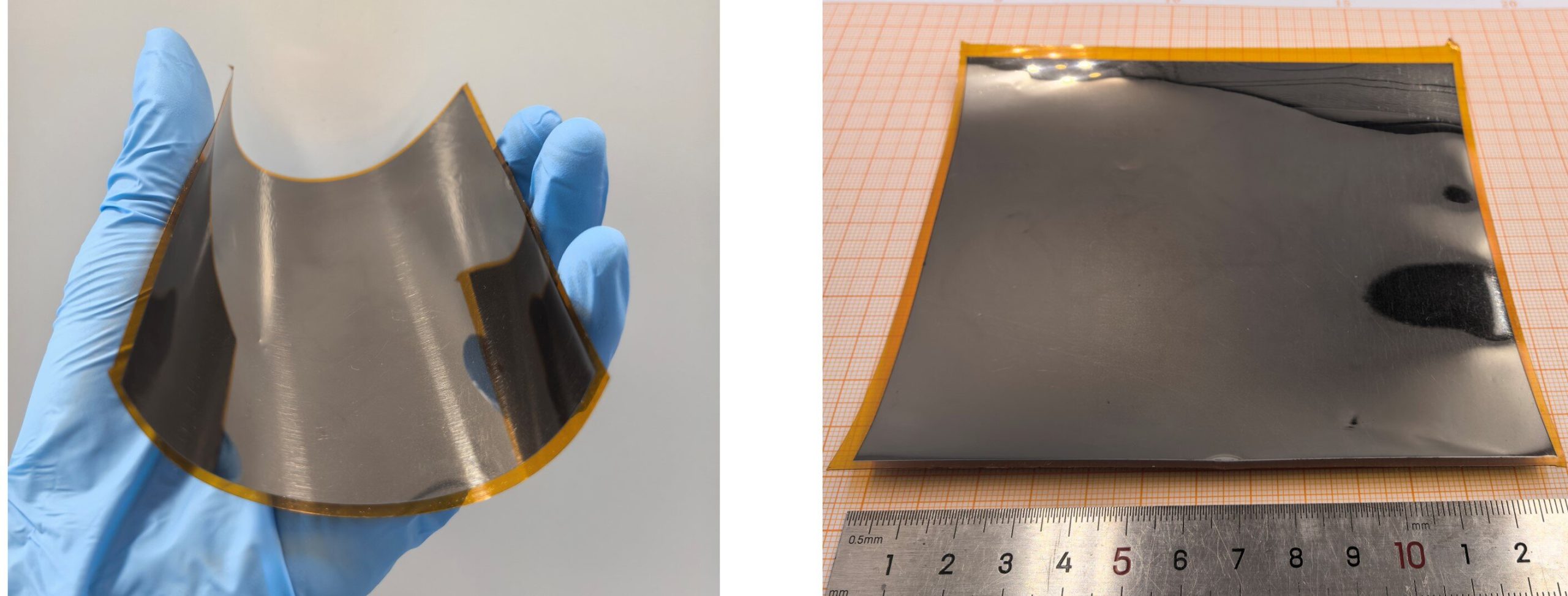
The synthesis procedure of thin films is constrained by physical thickness and substrate compatibility, where singular deposition methodologies with performance enhancement are largely reliant on post-deposition annealing treatment. Recently, tremendous efforts have been made, such as dopant and texture manipulations in physical vapor deposition and nanobinders in screen-printed processes
Pittsburgh, PA | Nov 8-13, 2026
David L. Lawrence Convention Center
We appreciate your honest feedback and would like to see what our readers have to say about our company, service, and products. Thank you for reading The Evaporator.
Let us know how we can improve our customer experience through social media or email.

The right evaporation source can make your thin film coating process a success. Since 1963, we have been fabricating and recommending evaporation sources for our customers in various cutting-edge industries.