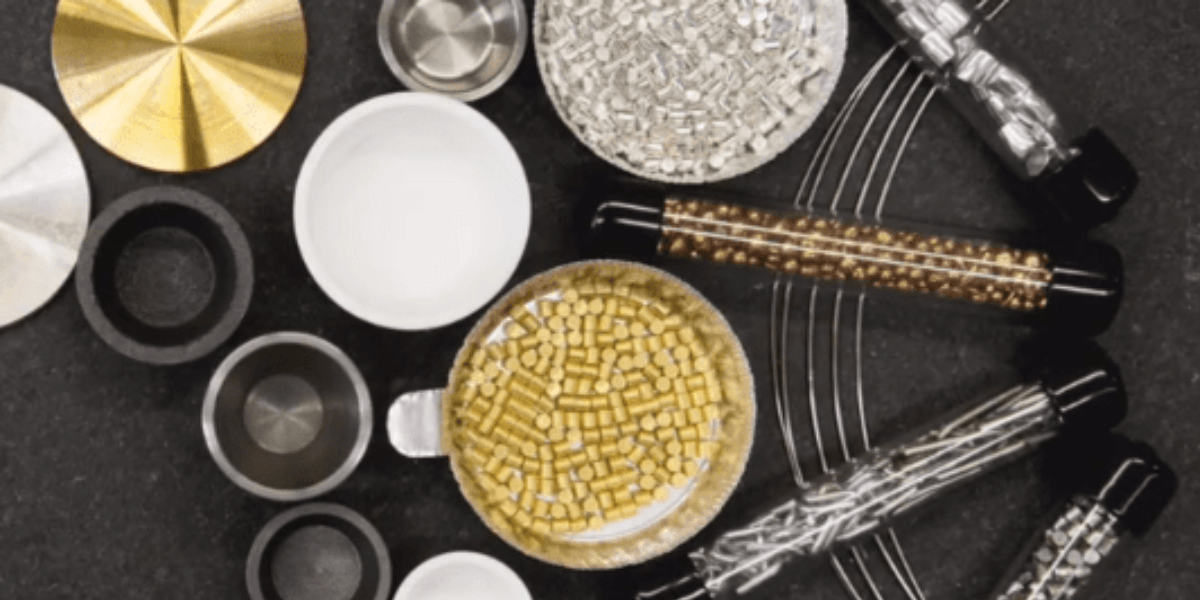
Electron beam evaporation (or E‑beam evaporation) is a high‑precision physical vapor deposition technique used to deposit thin films for use in fields such as electronics, optics, and materials science. E-beam...Read More
Sputtering is a core physical vapor deposition (PVD) technique used to deposit thin films for industrial such as electronics, optics, and photovoltaics. In this process, energetic ions bombard the surface...Read More
Alumina boat crucibles are ceramic vessels typically used in high-temperature materials processing. For many laboratory and metallurgical environments, the thermal properties of alumina make these common choices for these applications....Read More
Boron nitride (BN) crucibles are advanced vessels used in industries such as semiconductor manufacturing, materials research and metallurgy. These crucibles are ceramics, made from a compound of boron and nitrogen,...Read More
Inert gases, such as nitrogen, argon, helium, and neon, are widely used in advanced manufacturing and analytical science processes. However, even trace impurities such as moisture, oxygen, hydrocarbons can affect...Read More
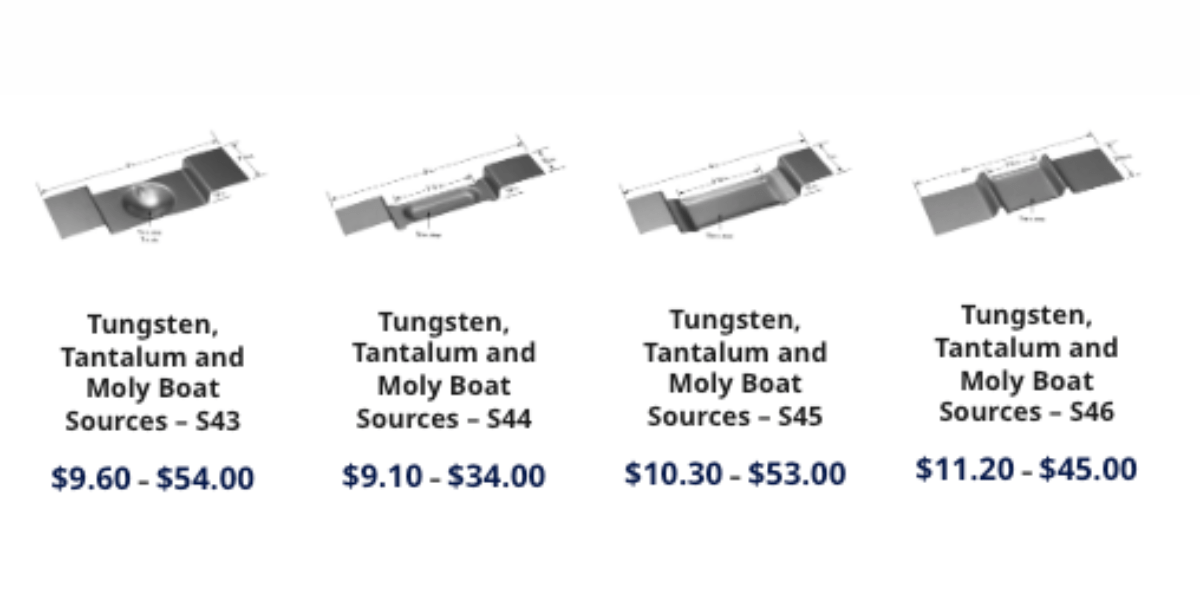
A molybdenum thermal boat, also known as a moly boat or Mo boat (its symbol on the periodic table), is a specialized type of boat-shaped container made from molybdenum sheet...Read More
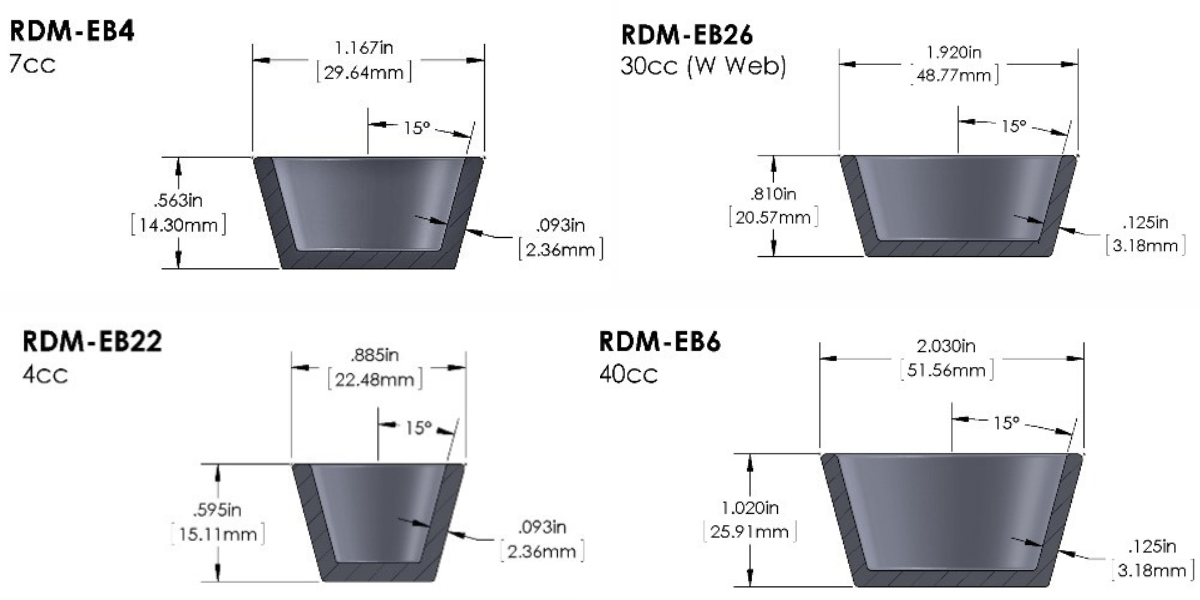
Electron beam evaporation (also known as electron beam deposition) stands out as a versatile and widely used process for thin film deposition. This method falls under a class of vacuum-based...Read More
May 2023 marked R.D. Mathis Company’s 60th year specializing in high-vacuum evaporation sources and materials. Our longevity and success in the industry are a testament to the quality of our products...Read More
Thermal evaporation is a specialized type of method used in manufacturing and research to deposit thin films of material onto a substrate. This process involves heating a material in a...Read More
In thermal evaporation, the evaporation source provides both containment and heating for high purity evaporation materials. These sources range in terms of refractory material, form factor (varying designs for boats...Read More