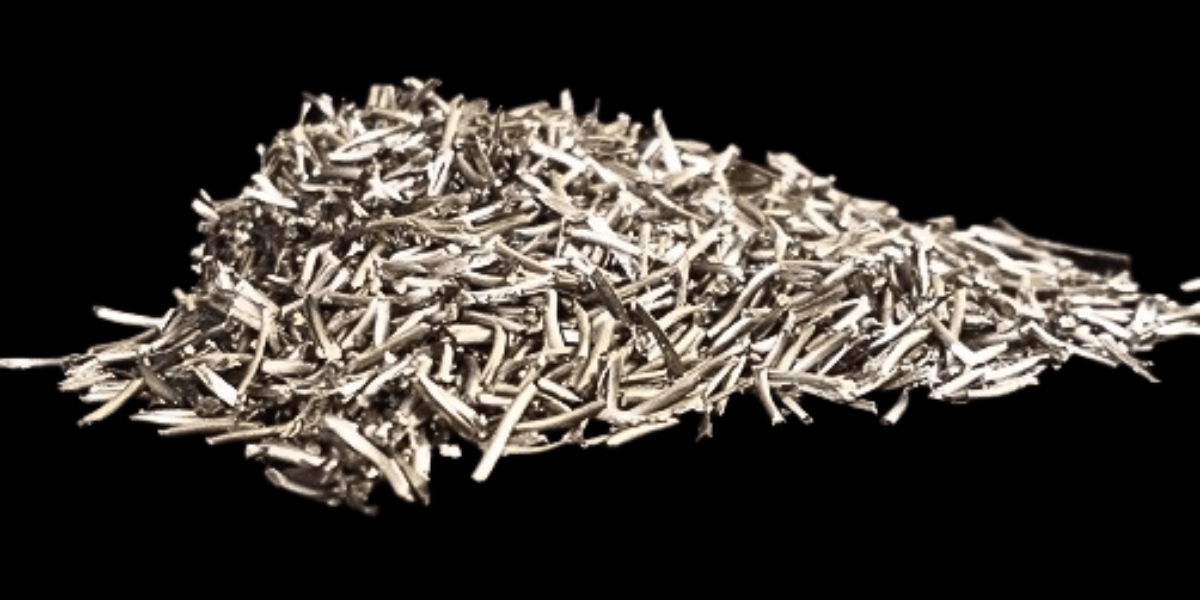
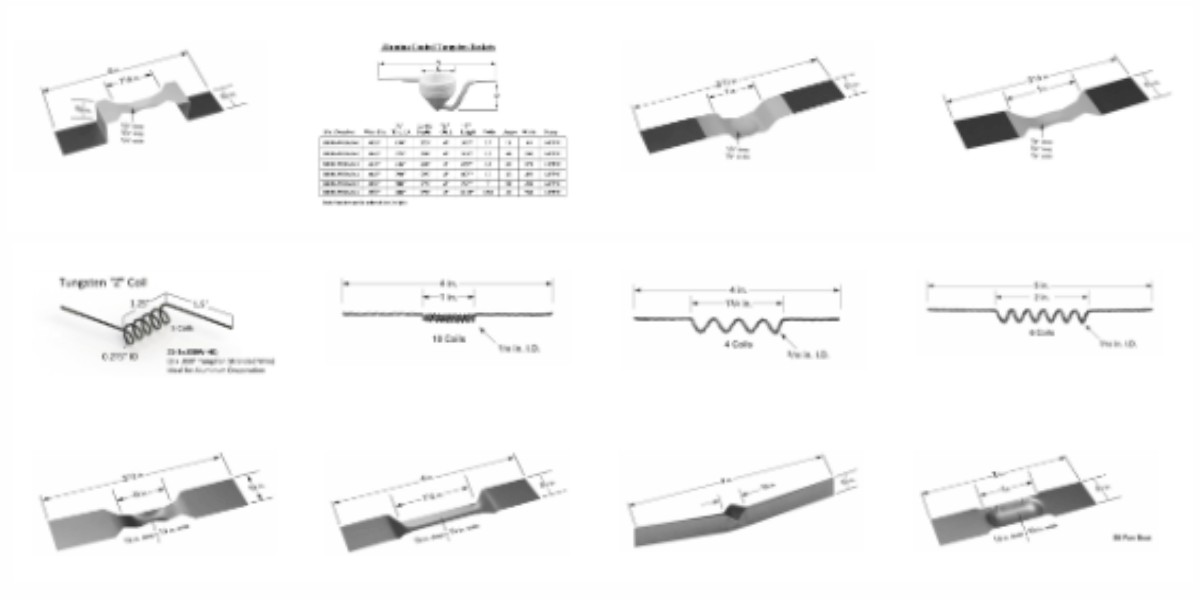
In thermal evaporation, pure tungsten is used (in the form of boats, filaments, or rods) due to its high melting point, low vapor pressure, and chemical inertness, which provides high...Read More
Tungsten is a remarkable material known for its high density, strength, and resilience under extreme conditions. Industrial uses for tungsten include forming extremely hard tungsten carbide, fabricating alumina coated tungsten...Read More
Thin film deposition is a critical process in industries such as electronics and optics. In sputtering applications, oxide coatings and other compound thin films are essential for tuning material properties...Read More
Dual electron beam (dual e-beam) evaporator sources represent a significant advancement in physical vapor deposition, offering expanded control and flexibility when compared to single e-beam evaporators. This technology enables broad...Read More
In materials science and thin film deposition, silicon monoxide (SiO) plays a critical role, contributing significantly through its optical, electrical, and structural properties. This discussion examines the multifaceted functions of...Read More
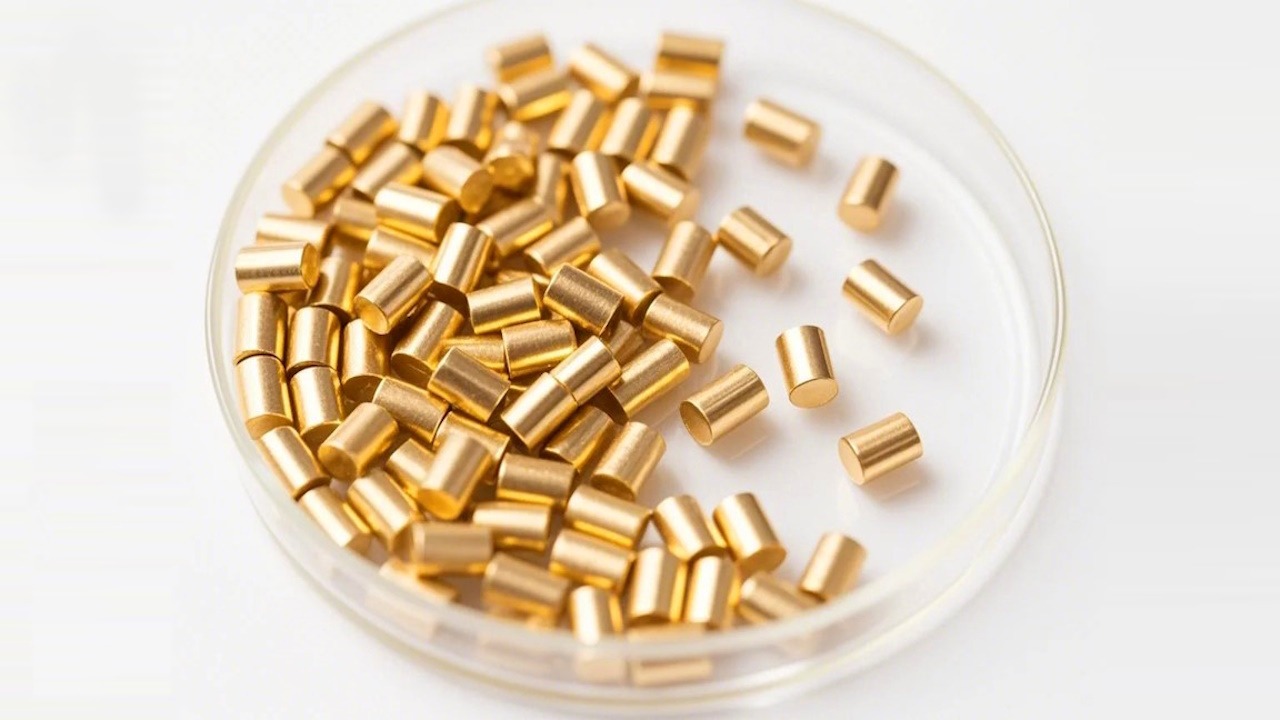
Gold (Au) is a precious metal with exceptional electrical, optical, and chemical properties, making it valued for a wide range of applications. In particular, gold evaporation materials enable thin film...Read More
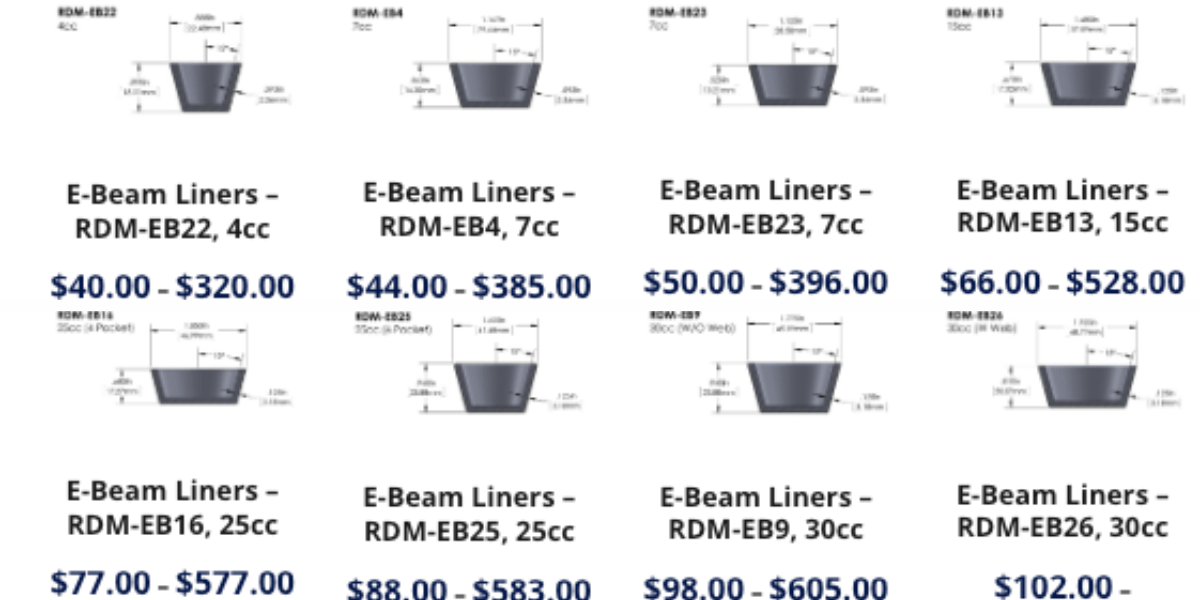
Electron beam evaporation (or E‑beam evaporation) is a high‑precision physical vapor deposition technique used to deposit thin films for use in fields such as electronics, optics, and materials science. E-beam...Read More
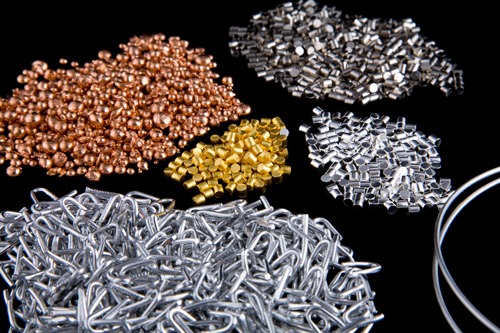
What are evaporation materials? Evaporation materials are used in vacuum deposition processes to produce a thin film on a substrate. They’re commonly utilized in various high-demand sectors, including the electronics,...Read More