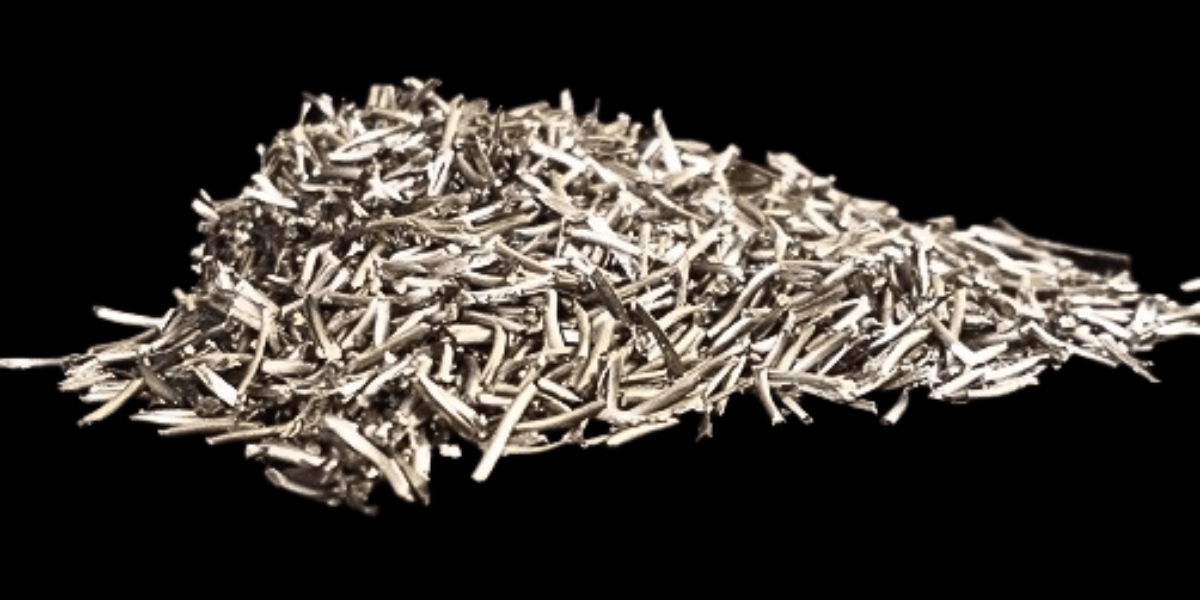
In thermal evaporation, pure tungsten is used (in the form of boats, filaments, or rods) due to its high melting point, low vapor pressure, and chemical inertness, which provides high...Read More
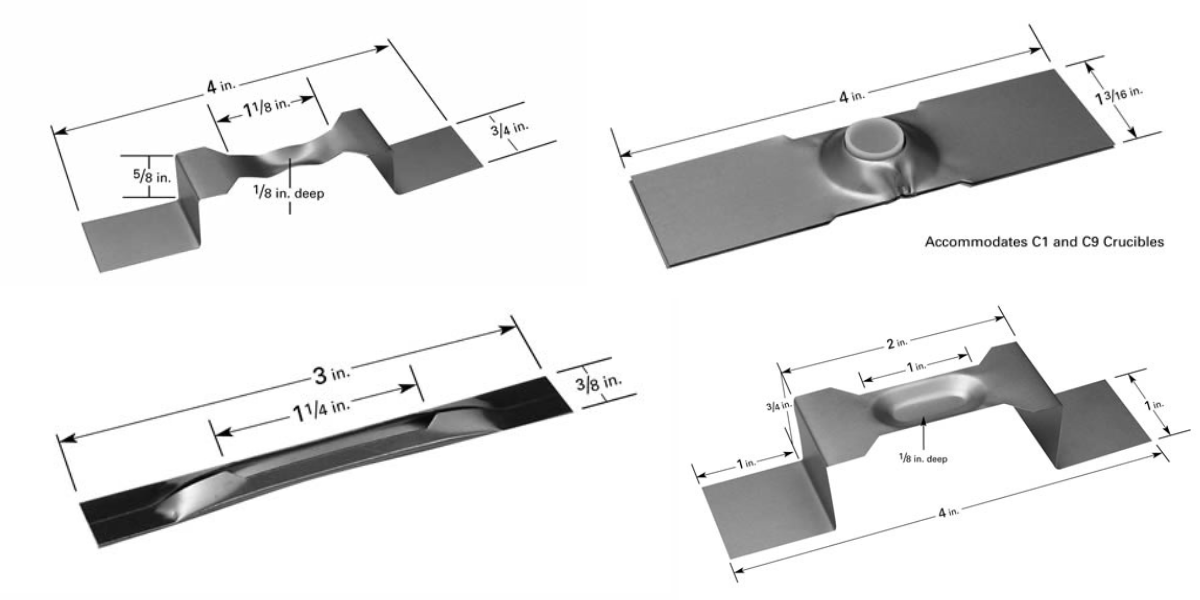
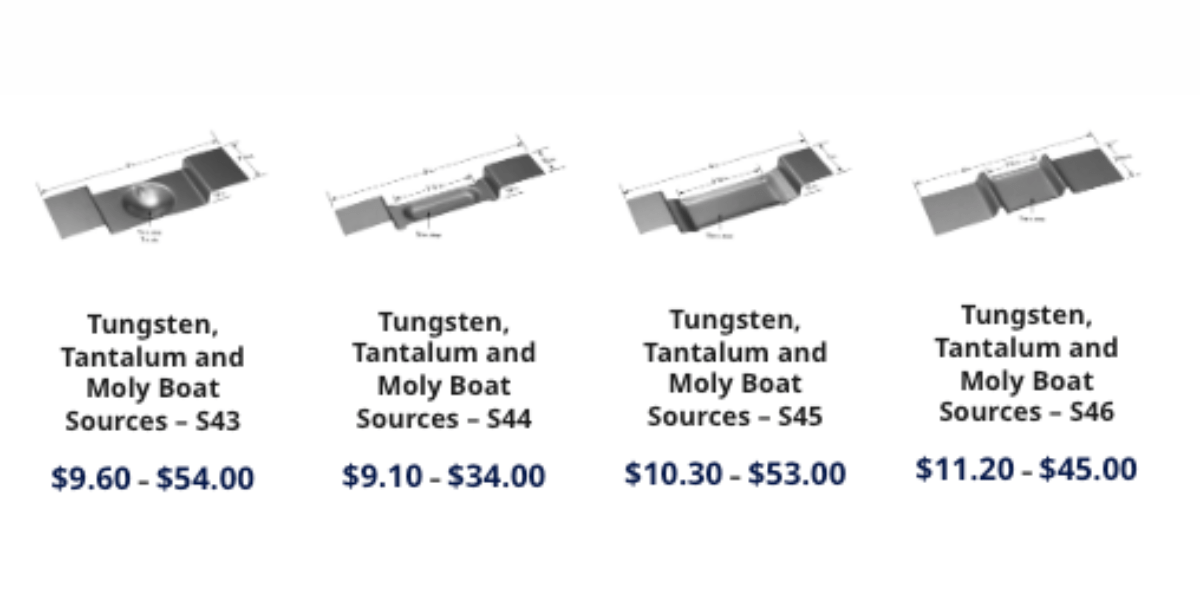
The tungsten thermal boat, or W boat (named after its chemical symbol), is container made from tungsten sheet resembling a boat. These commonly see use for extremely high-temperature processes, such...Read More
Tantalum thermal boats (or Ta boats) are a type of specific boat-shaped container fabricated from tantalum metal. These are often used for high-temperature environments in the fields of materials science,...Read More
Tungsten is a remarkable material known for its high density, strength, and resilience under extreme conditions. Industrial uses for tungsten include forming extremely hard tungsten carbide, fabricating alumina coated tungsten...Read More
Boron nitride crucibles are becoming increasingly popular in various industries due to their exceptional chemical resistance. These crucibles, made from hexagonal boron nitride (h-BN), offer unique properties suitable for demanding...Read More
Refractory metals, including options such as tungsten sheet, exhibit various strong properties in terms of melting points, density, and hardness. As a result, these characteristics provide benefits in environments with...Read More
Thin film deposition is a critical process in industries such as electronics and optics. In sputtering applications, oxide coatings and other compound thin films are essential for tuning material properties...Read More
Dual electron beam (dual e-beam) evaporator sources represent a significant advancement in physical vapor deposition, offering expanded control and flexibility when compared to single e-beam evaporators. This technology enables broad...Read More
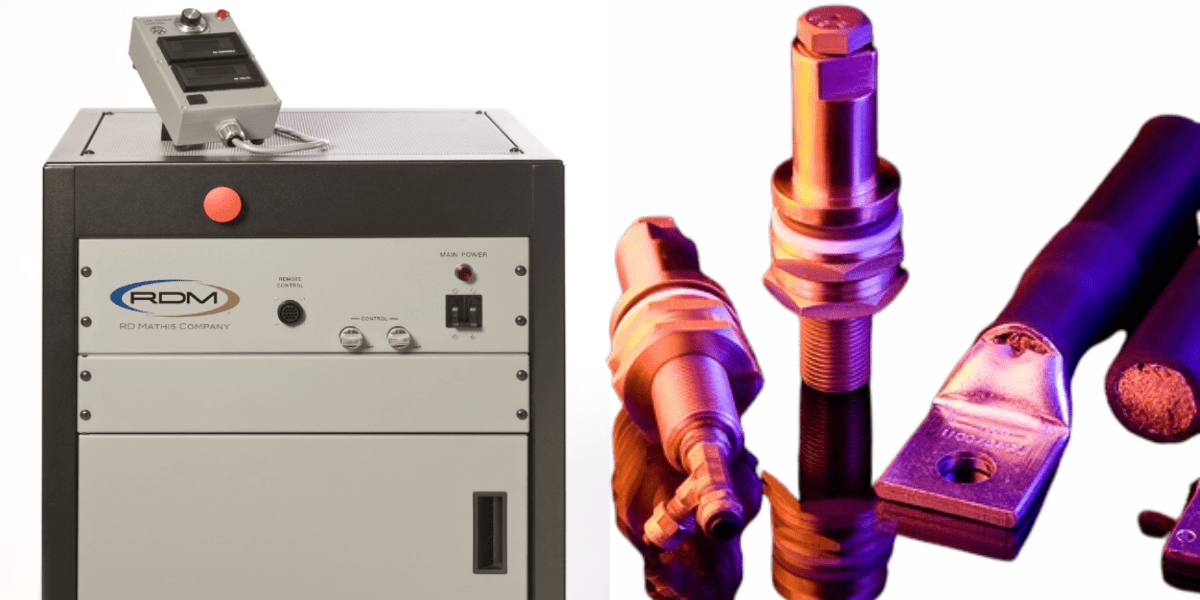
For thermal evaporators, depositions are conducted by running current through resistive thermal evaporation sources. Complex sources with heat shielding can require hundreds of amps. With this in mind, high-current electrical...Read More
In high-temperature processes and material handling, component selection is critical for maintain process consistency. Common options include refractory boats, ceramic crucible boats, and crucible liners for containment of materials. 1....Read More

Selecting the proper evaporation source is a key decision in thermal evaporation systems due to how source design directly affects film uniformity, quality, and consistency of a process. Thermal evaporation...Read More
Processing and storing materials at elevated temperatures requires proper equipment selection and procedure. Crucibles are widely used for handling sensitive compounds across several applications. Options such as tungsten, boron nitride,...Read More
1. BackgroundVacuum deposition is a crucial process in various industries, from semiconductor manufacturing to optical coatings and advanced materials research. The objective of vacuum deposition is to create thin films...Read More
Vacuum components are chosen for their high temperature resistance, minimal outgassing, and durability. These components include parts fabricated from high purity tungsten, molybdenum, and tantalum. To maintain the lifetime of...Read More
Sputtering targets are high purity evaporation materials that enable the deposition of thin films through a process of ejecting atoms via ion bombardment. For many applications, specific compound sputtering targets...Read More
In materials science and thin film deposition, silicon monoxide (SiO) plays a critical role, contributing significantly through its optical, electrical, and structural properties. This discussion examines the multifaceted functions of...Read More
In semiconductor manufacturing, controlling material deposition with precision and consistency is critical to device performance and yield. Physical vapor deposition (PVD) techniques are used within this industry to deposit sensitive...Read More
Gold (Au) is a precious metal with exceptional electrical, optical, and chemical properties, making it valued for a wide range of applications. In particular, gold evaporation materials enable thin film...Read More
Tungsten, a high performance metal with exceptional properties, has established itself into many industries due to its unique combination of mechanical and electrical properties. One of the key forms in...Read More
Thin film technology plays a critical role across a wide range of industries, including semiconductor manufacturing, optical systems, and emerging applications such as flexible electronics. Among various deposition methods used...Read More
Electron beam evaporation (or E‑beam evaporation) is a high‑precision physical vapor deposition technique used to deposit thin films for use in fields such as electronics, optics, and materials science.E-beam deposition...Read More
Sputtering is a core physical vapor deposition (PVD) technique used to deposit thin films for industrial such as electronics, optics, and photovoltaics. In this process, energetic ions bombard the surface...Read More
Alumina boat crucibles are ceramic vessels typically used in high-temperature materials processing. For many laboratory and metallurgical environments, the thermal properties of alumina make these common choices for these applications.1....Read More
Boron nitride (BN) crucibles are advanced vessels used in industries such as semiconductor manufacturing, materials research and metallurgy. These crucibles are ceramics, made from a compound of boron and nitrogen,...Read More
Inert gases, such as nitrogen, argon, helium, and neon, are widely used in advanced manufacturing and analytical science processes. However, even trace impurities such as moisture, oxygen, hydrocarbons can affect...Read More
A molybdenum thermal boat, also known as a moly boat or Mo boat (its symbol on the periodic table), is a specialized type of boat-shaped container made from molybdenum sheet...Read More
Electron beam evaporation (also known as electron beam deposition) stands out as a versatile and widely used process for thin film deposition. This method falls under a class of vacuum-based...Read More
May 2023 marked R.D. Mathis Company’s 60th year specializing in high-vacuum evaporation sources and materials. Our longevity and success in the industry are a testament to the quality of our products...Read More
Thermal evaporation is a specialized type of method used in manufacturing and research to deposit thin films of material onto a substrate. This process involves heating a material in a...Read More
In thermal evaporation, the evaporation source provides both containment and heating for high purity evaporation materials. These sources range in terms of refractory material, form factor (varying designs for boats...Read More
Evaporation sources serve as critical components used in physical vapor deposition (PVD), a technique used to deposit thin films of material onto a substrate.Standard boat sources, resistive heating elements that...Read More
What are evaporation materials? Evaporation materials are used in vacuum deposition processes to produce a thin film on a substrate. They’re commonly utilized in various high-demand sectors, including the electronics,...Read More